
UK



Going that extra mile
Holiday makers are increasingly seeking more affordable travel destinations as the impact of the cost-of-living crisis continues to tighten purse strings.
Here to stay(cation)
According to recent Cardlytics data, we found that UK staycations will be most popular among holiday makers, with nearly half (44%) of those planning to go on holiday this year opting to stay local, compared to short-haul (38%) and long-haul (24%) destinations. Holiday lettings providers like Airbnb and Vrbo have also seen increased transaction volumes maintain year-on-year. Transaction volumes a year ago (December 2022 into January 2023) hiked 54% year-on-year, reaching 60,353 transactions, with similarly high levels this year (58,562 transactions) indicating a shift from more expensive hotel bookings.
Tour de Force
Tour operator providers such as Tui, Virgin Holidays and Jet2 have seen a continuation of their post-Covid revival, with transaction volumes growing 7% year-on-year, after a massive 61% growth against the previous period (December 2021 into January 2022). This is a further indicator of travellers seeking value where they can.
Airlines take off
Alongside those seeking to stay local, airlines such as British Airways and Virgin Atlantic also saw a rise in spending, with overall spending up 13% year-on-year, and transaction volumes up 15% in the same time period. This indicates those that can afford longer-haul destinations are prioritising doing so, as the high cost-of-living shows signs of easing. Budget airlines also saw a 3% rise in spending, with the volume of transactions up 2% year-
on-year.
According to Hannah Collins, Partnership Director, Travel: “We are continuing to see the real effect the cost-of-living crisis is having on travel spending, with the increase in domestic holiday bookings demonstrating the focus on finding more affordable getaway options. “That said, people are on the hunt for their ideal 2024 holiday – they’re just seeking the best possible deals and promotions on the market. With that in mind, travel brands and booking sites need to ensure they’re offering the most targeted and personalised discounts and rewards to ensure they continue to attract and retain customers to drive incremental growth in what’s set to be another tough operating environment this year.”
Download our infographic here.
Cardlytics data is based on spending from over 20 million UK bank accounts. This data is based on spending between (unless stated): The four weeks leading up to 8th January of each year:
- This year (2023/24): 7th December 2023 – 8th January 2024
- Last year (2022/23): 8th December 2022 – 7th January 2023
- 2021/22: 9th December 2021 – 6 th January 2022
The poll was conducted by Opinium, based on a sample of 2,000 adults between 12-16th January 2024.

‘Tis the season: How can UK grocers drive up sales as we get closer to Christmas?
The ‘golden quarter’ is a critical trading period for grocery retailers. A celebratory time of year, grocers typically get a boost from shoppers socialising more and preparing for Christmas. However, this year has brought a fresh set of challenges as consistently high inflation has put a dampener on consumer confidence and tightened wallets.
With interest rates still high, the cost-of-living crisis has continued to impact purchasing trends. But what does this mean for the grocery market? How will overall grocery sales, and shopper habits, affect grocers Christmas draws ever closer?
Our new grocery spending report is based on spending analysis from over 20 million UK bank accounts, as well as polling of over 2,000 UK adults. It offers insight for retailers as we head into the final stretch of the golden quarter and offers strategies for enhancing customer loyalty at this critical time.
Discount Christmas?
Our research shows that consumers are increasingly turning to discounters and loyalty schemes as they face the ongoing cost-of-living crisis. In fact, our polling suggests that the average shopper has seen their grocery bills increase by £644 this year.
In response to heightened costs, consumers are seeking discounts: over a quarter have turned to loyalty and reward schemes (28%) and online discount codes (26%), while 22% are browsing price comparison sites and a fifth of consumers are using cashback offers (20%) to manage expenses.
This search for value is also translating to what people are buying and from where. Almost two in five consumers are buying more own-brand supermarket products, and a quarter are switching to cheaper brands and discount chains. As Christmas approaches, 26%plan to cut back on presents, while 22% have curtailed big-ticket purchases.
As we approach Christmas, grocery spend is anticipated to rise as families opt for home-based celebrations, driven by ongoing high living costs.
Harnessing the trend of savvy shoppers, discount grocery retailers have undoubtedly benefited from a reputation for value, as well as a focus on deals and personalised offers. As a result, they’ve grown at a faster rate than the traditional ‘big four’ grocers. Discount grocery stores saw transactions increase by 2% between June and September this year, with consumer spend also increasing by 6%.
The big four supermarkets have seen a 5% increase in spend but a 4% decrease in transactions, signifying a shift to cheaper alternatives.
The run-up to Christmas represents an opportunity for the bigger supermarkets to reverse this movement. But doing so will require them to be smart with the way they market their food and drink. Leveraging the data and insights on customer preferences will be important to entice customers back as they start making bigger ticket purchases for parties and the all-important festive meals with friends and family.
Are you a grocer looking to get customers back through the door this festive period? Cardlytics offers extensive insight and marketing support for retailers, with access to spending data from over 20 million UK bank accounts.
By providing this ‘whole wallet view’ to grocers, you benefit from a deeper understanding of the competitive landscape and implement precise, targeted marketing that delivers tangible results. Heading into the final stretch of the Golden Quarter, we’re helping our customers leverage this data to drive incremental sales growth and retention, as consumers look to find the most value for money with their Christmas spending.

Customers squeeze value from holidays with spend up on staycations and budget flights
- The cost-of-living crisis sees the return of the staycation with spend up 20% on domestic holidays
- Tighter budgets have seen travellers swap to budget airlines with the number of trips for these brands increasing 23% year-on-year
- Brits have been looking for ways to save with a massive 50% increase in offers and rewards claimed on travel purchases compared to last year
Consumers haven’t cut back on their holidays but are looking for cheaper options and deals as the cost-of-living crisis takes hold, according to new data from advertising platform Cardlytics.
The data, based on transactions from over 20 million UK bank accounts, shows that the number of holidays booked between April and June increased 7% on last year. However, average spend on travel across the board has flatlined. With just a 1% increase in average transaction values year-on-year, it seems that consumers are looking for ways to get away without breaking the bank.
For many this means holidaying closer to home, with staycations on the rise as domestic holiday spend increases 20% year on year. After a boom during the pandemic, UK-based getaways are back on the map with the number of trips up 40% when compared to the first quarter of this year, and up a further 4% on the same time period in 2022.
For those looking to go further afield for less, budget airlines have been the way to go. Average spend at these airlines has increased by 3% compared to last year. Whilst some of this can be attributed to increasing prices, the number of trips people have booked with these brands has followed a similar trajectory, rising a massive 23% compared to 2022. As travelers trade down, long-haul airlines have seen slower growth in the number of bookings at just 2% increase year-on-year. Whilst average spend with these brands has seen an uptick of 6% since last year, the lower number of trips indicates this increase is likely due to fuel increases and inflation leading to increased costs.
Getting the best rewards and discounts is top of mind for consumers looking to save on their summer travel, as cashback redemptions on these purchases see a 50% increase between April and June compared to last year.
Many holidaymakers have turned to package deals for not only value but convenience. Whilst average spend is down 2% year-on-year, the number of package holidays booked is up 13% on last year showing that consumers are still purchasing these deals, but they’re looking for the cheapest options.
Reinforcing that trend, online travel agents have also seen growth, with the number of trips booked up 22% on last year. This is coincided with a 5% rise on average transaction values, with inflation likely the cause behind this.
Hannah Collins at Cardlytics said: “With the summer break well under way, we are now starting to see the real effect the cost-of-living crisis is having on consumer travel spending. Whilst it’s positive that people are still booking getaways, price is becoming an increasingly important differentiator. Travel brands need to show they understand customer needs with tailored discounts and rewards in the channels they use most to encourage spend. This will be key in attracting those seeking a last-minute summer deal or a cheaper Autumn break.”
Methodology
Cardlytics data is based on spending from over 20 million UK bank accounts. This data is based on spending between (unless stated):
- 30th March – 29th June 2023
- 31st March – 30th June 2022
About Cardlytics
Cardlytics (NASDAQ: CDLX) is a digital advertising platform. We partner with financial institutions to run their banking rewards programs that promote customer loyalty and deepen banking relationships. In turn, we have a secure view into where and when consumers are spending their money. We use these insights to help marketers identify, reach, and influence likely buyers at scale, as well as measure the true sales impact of marketing campaigns. Headquartered in Atlanta, Cardlytics has offices in Palo Alto, New York, Los Angeles, and London. Learn more at www.cardlytics.com.
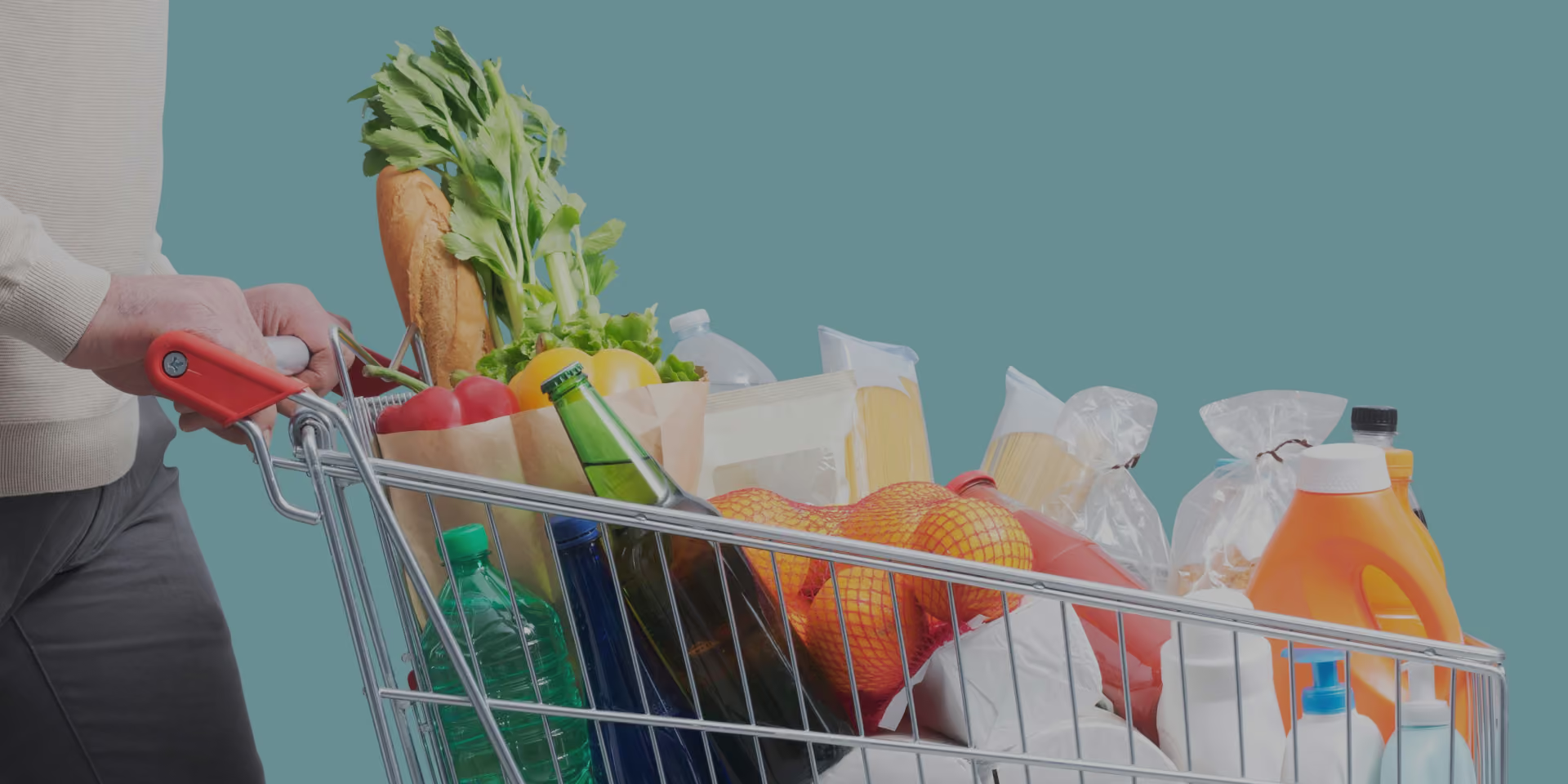
Why grocers should invest in price now to win long-term loyalty
The grocery industry is undoubtedly a bellwether for the impact of the cost-of-living crisis on consumers. While costs are rising in many places, the price of everyday basket essentials remains a proxy for inflation.
That puts grocers at the epicentre of the debate when it comes to how and whether they should be looking after their customers in such challenging times.
Every grocer is battling rising operational costs, from the increasing energy cost of keeping freezers and fridges cold through to the price of fuel for home deliveries. How can brands still support their customer base through tough times, while still protecting their bottom line?
Invest in essentials to support tighter budgets
Cardlytics spend data across 24 million UK bank accounts shows that since 2020 the average cost of the weekly shop has increased by 20%. The rising pressures of inflation, supply chain issues and labour shortages are all forcing the price of everyday essentials up.
A recent Cardlytics poll of 2000 UK adults found that almost nine in ten (88%) consumers have seen a rise in their weekly shop. As wages stagnate, and bills look to skyrocket, they’ll be searching for any way possible to save a little extra cash.
Use loyalty schemes to engage customers
One option is to increase investment in the basics. Asda’s launch of a new essentials range is one example of how a brand is stepping up and keeping the price of essentials low.
But with cost now becoming a clear deciding factor in where to spend, consumers are increasingly shopping around to save the pennies. Our spend data shows that in the past year, total spend at the big four supermarkets fell 7% and spend at convenience stores fell 8%, whilst discount supermarkets managed to uphold their market share in an increasingly competitive industry.
A new basics range might help at one end of the spectrum, but if consumers are then shopping elsewhere to fill the rest of their basket, how much is it really helping?
With over 56% of consumers saying they’re looking to shop with cheaper brands to save money, grocers should consider how they can make customer loyalty the priority. Investing in loyalty programmes that help customers save money on their shop – be it offers on the items people buy most or rewards each time they shop – will go some way to help grocers hold on to their customers and attract new ones.
Cardlytics is able to provide brands with a ‘whole wallet’ view, to understand what share of a customer’s category spend they’re receiving and how much headroom a customer has to make sure they’re targeting the most relevant and valuable customers.
Invest in price, play the long game
Every grocery retailer faces an ongoing battle to support their customers, however, as the cost-of-living ramps up, it’s crucial that additional costs aren’t passed on to the consumers. Otherwise, brands risk losing their loyal customer base and may struggle to defend their market share – especially in the run up to the all-important ‘Golden Quarter’.
By investing in price now to support customers when budgets are tight, grocers can win longer-term brand loyalty for helping customers when they needed it the most.
Those brands that step up to support customers now, will reap the rewards in the long term.

Cost-of-living and travel chaos, how can brands win back customer loyalty?
The travel industry has faced an uphill battle over the past few years. Covid-19, cancellations, labour shortages and rising operating costs have all beset the industry with issues.
Many punters have in turn forgone their normal holidays abroad or ditched the business travel, swapping flights to Portugal for trains to Cornwall and face-to-face meetings for Zoom calls.
It was therefore unsurprising that as restrictions lifted, travel spend skyrocketed as consumers made up for lost time, splashing the cash to make their next trip better than ever.
Cardlytics spend data across 24 million UK bank accounts shows that travel brands across the sector have seen spend increase in the past year. Total spend on airlines grew 542% between 2021 and 2022 whilst package holiday’s (496%), holiday rentals (222%) and even UK retreats (111%) saw significant rises in the same period.
However, headwinds loom. The industry is facing unprecedented staff shortages, while a cost-of-living crisis is likely to put a squeeze on the amount consumers are willing to spend on their holidays.
Looking to the next 6 months, how can travel brands win back customer loyalty as we head towards the winter travel and January holiday booking season?
Invest in certainty
Overall spend on package holidays has increased by 171% in the past six months compared to prior same period, pointing to the fact that consumers are increasingly opting for package deals that offer more protection and support when things go wrong.
Investing in certainty will go a long way in helping to rebuild trust and get consumers booking their trips again, whether it is offering extra protection on holidays or the choice for free cancellation, giving consumers choice and backup options will help to incentivise bookings.
Focus on affordable getaways
Despite the post-Covid boom in bookings, the cost-of-living crisis will tighten purse strings and as consumers cut-back on non-essential spending, luxuries like holidays could be one of the first things to go. Recent Cardlytics consumer polling of 2000 UK adults shows that two in five (42%) consumers are already planning to reduce the number of holidays they take this year.
As travel brands struggle themselves with increased operational costs and inflation, prices are only set to rise. The average spend per purchase across the travel sector has already seen an increase of 26% in the past 6 months compared to the previous 6 months.
With prices increasing, consumers are likely to opt for shorter mini-breaks and more affordable destinations. For brands, this is an opportunity to offer more flexible and value driven options that suit peoples’ needs now but help to retain customers in the long term.
Reward customers and build loyalty
Disposable income is continuing to decline, leading to more consumers turning to loyalty programmes and discounts to save. Our consumer research showed that 59% of consumers are reacting by utilising discounts, rewards, and offers by searching for more discount codes online before they make a purchase.
Travel brands need to seize this opportunity to offer tailored incentives to help their customers save money but also build loyalty and ensure they keep coming back. The travel industry is renowned for its loyalty programmes, now is the time to take them up a notch.
List with price comparison sites to increase exposure
Consumers aren’t just looking to discount codes to save their spending. Cardlytics consumer polling showed that 73% of consumers plan to shop around more this year for the best deals whilst 58% intend to use price comparison sites more.
Brands need to tap into this savvy customer base by featuring on price comparison sites. This not only increases visibility and exposure but also makes it easier for customers to find a brand’s deals.

Keeping the restaurant revival afloat during cost of living crisis
The past year has seen consumers making up for lost time when it comes to eating out, with the industry experiencing a boom as pubs and restaurants reopened.
Cardlytics spend data across 24 million UK bank accounts showed that overall spend across the dining sector increased 22% between 2021 and 2022 as people looked to make the most of socialising post-covid. Pubs and bars saw the largest spend increase of 12031% followed by casual dining restaurants (748%), coffee shops (63%) and quick service restaurants (40%).
Despite this general uptick in eating out over the past year, total spend across the sector is still down when compared to pre-pandemic levels.
In comparison to 2020, Cardlytics data shows that spend in 2022 is still down across casual dining (-15%), pubs and bars (-7%), coffee shops (-5%) and quick service restaurants (-2%).
As the cost-of-living reaches a crunch point and disposable income shrinks, hospitality is often the first in the firing line. Consumers will be making difficult choices to cut back their spending, meaning brands may face further hurdles in returning to pre-pandemic spend levels.
Competition for customers is reaching a peak, and as consumers look to prioritise essentials like grocery shopping and energy bills over a meal or drink out, how can dining brands hold their market share?
Invest in delivery options
Between 2020 and 2021, lockdowns drove an astronomic rise in spend across delivery platforms as customers had to experience their favourite foods from the comfort of home. Cardlytics spend data shows that delivery platforms saw a 110% rise in spend between 2020 and 2021.
However, as restrictions lifted and customers sought to eat out rather than order in, these brands struggled to live up to their lockdown success leading to a spending decline of 5% between 2021 and 2022.
But the tide is changing. With increasing numbers of customers looking to cut back spending on more ‘expensive’ meals out but still wanting to treat themselves to a ‘cheaper’ takeaway at home.
Casual dining is already starting to see the impact of the cost-of-living and tighter budgets with Cardlytics spend data showing that total spend fell 2% in the past 6 months compared to the previous 6 months.
Investing in delivery options will stand dining brands in good stead to capitalise on this shift, as prices creep up and consumers cut back on trips out.
Diversify your offer with cheaper, smaller items
During times of financial difficulty, consumers still want ways to treat themselves but with smaller, less extravagant items. This means people are more likely to turn to coffees and snacks rather than a full three-course meal.
Brands should look to diversify their offer with smaller items or options, whether that be a lunchtime deal, a discounted menu or takeaway options at reduced prices. This will help to keep customers returning in the short term and show that the brand understands and can meet their new needs.
Invest in loyalty
As the cost of living continues to rise, we’re likely to see people shop and spend in savvier ways. Our recent consumer poll of 2000 UK adults shows that 73% of consumers are planning to shop around more for the best deals. We’re already seeing the tangible impact of this at Cardlytics with the number of dining offers activated through banking app reward programmes having grown by a staggering 784% between 2021 and 2022.
If dining brands want to retain customers in this difficult time, they need to tap into the deal-savvy customer base by offering tailored cashback and discounts to customers to engender more loyalty and spending.
By utilising banking channels, brands can target customers by frequency and segment and firmly establish themselves as a favourite and the go to option for a treat during these difficult times.

Purchase Intelligence Could be the Key to Helping Consumers Through the Cost-of-Living Crisis
While consumers are forced to juggle new demands on their finances, it creates a valuable opportunity for banks to utilise their platforms for good, building deeper relationships and positioning themselves as a resource for help.
Energy bills, food prices, national insurance, and inflation are all on the rise causing mounting financial pressures and concerns for consumers. As the cost of the weekly food shop goes through the roof and the price of filling up the car creeps, consumers are looking for better ways to manage their finances and find the best savings options possible, creating new opportunities for their banking relationships.
Our new data from a poll of over 2,000 UK consumers finds that almost three quarters (73%) plan to shop around more this year in search of the best deals. At the same time, over half (57%) are checking their banking apps more often now than they did a year ago.
While consumers are forced to juggle these new demands on their finances, it creates a valuable opportunity for banks to utilise their platforms for good, building deeper relationships and positioning themselves as a resource for help.
As banks have transitioned to online and mobile banking in recent years, the ‘face’ of banks is fading. Whilst digital banking has revolutionised the way banks can reach customers, whenever and wherever they are, it has made it increasingly difficult to build and maintain the same deep and highly personal relationships.
With inflationary pressures eating into earnings, consumers are increasingly looking to their banks for financial advice and resources. They’re particularly seeking personalised approaches that are tailored to their specific financial situations – from help with budgeting to advice on the best ways to maximise savings.
This cost-of-living crisis provides both a motivation and an opportunity for banks to reconnect with their customers. So how can they best help?
Banks have access to a wealth of purchase insights and by evaluating which brands are seeing the biggest rise in average transaction values, they can see exactly where customers are feeling cost pressures. Banks can then introduce personalized offers that can help address these, from discounts on petrol to cash back on the brands they visit the most, helping them play a key role in supporting their customers where it matters.
And it isn’t just about the positive savings impact for the consumer; there are clear benefits for the bank too.
Bank of America is one example that is truly leading the way - its Preferred Rewards Program has a clear tiered total benefits program for cross-product engagement, meaning that as a customer’s balance grows, so will the benefits a customer receives.
To realise the true value of loyalty programs, banks must adapt their mindset to view them not from the transactional lens of “purchase this and get something in return,” but from the perspective of providing support and creating a point of relevance in a customer’s life. The rising cost of living provides that sweet spot of relevancy for banks.
As the cost-of-living crisis continues to wage war on consumer’s purse strings, there’s a clear opportunity for banks to utilise the data they already have, showing their customers that they truly understand their individual financial pressures and can support them.
Rather than just powering transactions in the background, banks can – and should – utilise the purchase intelligence they have at their fingertips to play an active role in supporting consumers through the cost-of-living squeeze. The result for banks? More financially stable, engaged, and loyal customers.

The Rise of the Second-hand Marketplace: Conscious Consumerism Demands a Fresh Approach
The reduce, reuse, recycle mantra is seeping its way into how we shop.
A growing focus on climate change over the past few years has created a new sustainable generation that demands more from brands, while at the same time pushing “conscious consumerism” into the mainstream.
From investing in quality, timeless wardrobe staples to shifting their spend to second-hand marketplaces and choosing brands based on their ethical credentials, today’s consumers are increasingly re-evaluating their purchase decisions and the impact they have on the planet.
The result? Brands are now being forced to re-think how they market their goods, while having a tangible impact on retailers’ bottom lines.
Our latest spend data, based on the purchasing habits of over 22 million UK bank cards, shows that in the past year, spend at second-hand marketplaces has jumped 85%.
Whether it is a high-end designer bag, a vintage chair, or some pre-loved children’s toys, with ‘new’ no longer being on trend, it’s no surprise that UK consumers are now almost four times more likely to make a purchase with the likes of Depop, Vinted or eBay than they are with fast fashion brands.
In fact, the number of second-hand purchases customers make on average per year increased by 28% in 2021, compared to a 1.1% rise for traditional retailers. It is clear that second-hand marketplaces are taking a slice of the traditional retail pie.
Conscious consumerism isn't a "flash in the pan" fad
This shift in consumer behaviour is pivotal and one traditional retailers must respond to. We have already seen large fashion brands venturing into the sustainability space to capitalise on this trend, offering consumers an alternative and more sustainable way to shop.
H&M invested heavily in its Conscious range, ASOS created its own marketplace to give second-hand and vintage items a platform, while M&S introduced in-store clothing recycling programs to boost circularity of its products.
Even “fast fashion” brands like Missguided are taking steps to improve their climate footprint and appeal to this consumer base, with the introduction of a new Restyld range made from recycled materials.
Marketers should think of conscious consumerism not as a challenge to their traditional growth plans, but – like Missguided has - as an opportunity to tap into a new consumer group, create new opportunities to engage with customers, and build more meaningful and more loyal relationships with shoppers.
So how can retailers compete with the second-hand marketplace?
To stay “on trend” with this growing set of consumers, retailers and marketers should consider making their eco-friendly ranges front and centre of their marketing campaigns and offer discounts on such clothing lines to shoppers.
Retailers could also introduce incentives - such as vouchers - for consumers to recycle their old items in store, to help drive footfall, future purchases, and build brand affinity.
Targeting customers with relevant offers through their banking channel, based on their spend patterns, is an effective way retailers and marketeers can increase engagement and purchases, whether that is online or in-store.
And with more consumers looking closely at brands’ ethical endeavours, creating hubs on your website and app for your environmental credentials will go a long way in appealing to this growing consumer group.
How Cardlytics can help
Because we see 1 in every 4 UK bank transactions, we can develop a marketing strategy to help your brand compete in this new retail market. Contact us today for an analysis and campaign strategy customized for your brand.